



Key Takeaways
Accurate pricing based on recent comparable sales can generate stronger early interest and reduce the risk of a stale listing.
Thoughtful preparation helps buyers focus on the home instead of clutter, deferred maintenance, or distracting cosmetic issues.
Professional marketing should present the property accurately with strong photographs, clear descriptions, and useful layout details.
Flexible showings can expand access, while organized offer reviews help sellers compare terms beyond the purchase price.
Local guidance is essential because timing, demand, competition, and buyer expectations vary by property and market.
Selling a home is a major financial decision, whether the move involves relocation, a different property, or a change in investment plans. A fast sale is never guaranteed, but careful pricing, preparation, marketing, and negotiation can reduce avoidable delays.
At SGI Property Management Phoenix, we help owners evaluate their property options and prepare for the next stage with clear local insight.
1. Determine the Right Market Price
The asking price strongly affects how quickly a property attracts attention. Pricing above comparable homes without clear supporting features can reduce showings and cause the listing to sit longer.
Pricing too low may also leave money on the table, so the goal is not simply to choose the lowest number.
A defensible price starts with recent comparable sales, active competition, location, condition, size, upgrades, and current market activity.
A real estate professional can prepare a comparative market analysis, while an appraiser may provide an independent opinion when circumstances require one. A sound pricing strategy should reflect evidence rather than the seller's emotional attachment.

Sellers should also consider their broader financial goals before listing. In some cases, keeping the property as a rental may support long-term income and appreciation. Our guide on whether to rent or sell explains several factors owners can weigh before committing to a sale.
2. Improve the Property's Appearance
Buyers often form an initial opinion through listing photographs before visiting in person. The exterior should look clean, maintained, and consistent with the home's actual condition.
Mowed grass, trimmed plants, swept walkways, clean windows, visible house numbers, and working exterior lights can improve presentation, making for a more profitable property without requiring a major renovation.
Small updates may help when they address obvious wear. Repainting a faded front door, replacing a damaged fixture, removing dead plants, or cleaning the driveway can make the entry look more cared for.
Owners can review practical curb appeal ideas, then prioritize improvements that fit the property's style, condition, and likely sale price.
The interior deserves the same attention. Clean surfaces, fresh-smelling rooms, open curtains, and consistent lighting can make showings more comfortable.
Sellers should repair visible damage rather than trying to hide it, and marketing materials must not misrepresent the property's condition. Clean, unobstructed windows can also improve natural light during showings.

Keep presentation cohesive.
3. Create Neutral, Functional Spaces
Decluttering helps buyers understand room size, storage, traffic flow, and possible furniture arrangements. Sellers should organize living areas, bedrooms, kitchens, bathrooms, closets, garages, and storage spaces without making the property look empty or impractical.
Removing excess furniture and highly personal items can keep attention on the home's permanent features.
Neutral presentation does not require stripping away all character. It means creating enough visual space for buyers to evaluate the layout and imagine how they might use it.
Effective home staging begins with cleaning and necessary repairs. Furniture should support the room's intended function without blocking doors, windows, or walkways.
Sellers should avoid expensive staging choices unless the likely benefit justifies the cost.
A consistent presentation also helps photographs feel cohesive and intentional.
Storage should look usable rather than packed to capacity.
Organizing cabinets and closets can help buyers see their dimensions, but sellers should not hide defects or leave belongings where they block access to electrical panels, attic openings, utility equipment, or other areas likely to be inspected.
4. Address Maintenance Problems Early
Minor defects can create concern when they appear throughout a property. Dripping faucets, loose handles, damaged caulking, cracked tiles, chipped paint, broken lights, and sticking doors may suggest that larger maintenance needs have also been deferred.
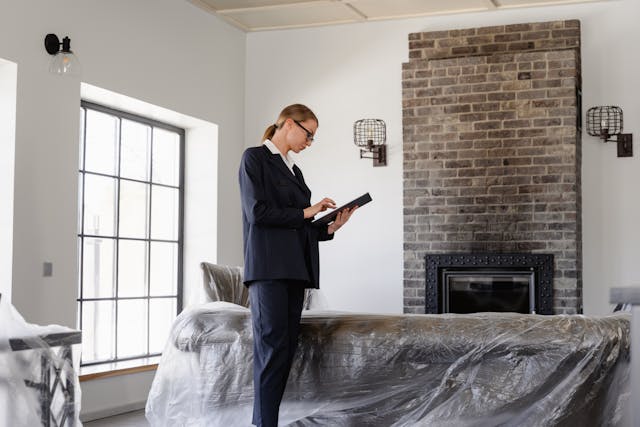
Before listing, owners should review the roof, plumbing, electrical components, heating and cooling equipment, windows, appliances, drainage, and visible structural areas.
Qualified professionals should evaluate work involving safety, licensing, or major building systems. Repairs must comply with applicable codes and disclosure requirements.
A pre-listing inspection may identify problems before a buyer's inspection, but it does not remove the seller's duty to disclose known material facts as required by law.
Depending on cost and timing, an owner may repair an issue, adjust the price, or consider a credit. Local professional advice is important because disclosure rules and contracts vary.
5. Invest in Accurate Marketing
Most buyers begin their search online, which makes clear visuals and complete listing information essential.
Professional photographs should use appropriate lighting, accurate proportions, and logical sequencing. Heavy filters, misleading angles, or digitally altered features can undermine trust.
A strong online listing can include high-resolution photographs, a floor plan, a virtual tour, and concise descriptions of verified property features. The copy should explain what the home offers without exaggeration or language that suggests a preferred type of buyer.
Marketing should also identify practical details such as room dimensions, parking, storage, outdoor features, recent permitted improvements, and included appliances.

Sellers should confirm all claims before publication and update the listing if conditions change.
6. Prepare for Showings and Negotiations
Once the property is listed, reasonable showing availability can help more buyers see it. The home should remain clean, secure, and comfortable, with personal documents, medications, valuables, and sensitive information stored safely.
Sellers should follow professional guidance for access, security, and notice.
Offers should be compared on more than price. Financing, earnest money, contingencies, requested concessions, inspection terms, appraisal conditions, closing timing, and the buyer's ability to complete the transaction can all affect risk.
Our overview of real estate offers explains why the highest number is not always the strongest overall proposal.
Sellers should avoid making assumptions about a buyer based on personal characteristics or family status.
Decisions should rely on lawful, objective transaction terms and documented financial qualifications. A licensed real estate professional and, when appropriate, a qualified attorney or tax adviser can help review complex terms.
Final Thoughts
Selling a home quickly involves more than placing a sign in the yard. A well-supported price, careful presentation, timely repairs, accurate marketing, accessible showings, and disciplined negotiations can strengthen buyer confidence and reduce preventable delays.
At SGI Property Management Phoenix, we help owners assess whether selling, renting, or holding a property best supports their goals. Market conditions and individual circumstances differ, so informed local guidance can make the next decision clearer.