



For many Phoenix rental property owners, eviction feels like a last-resort solution to a tenant problem. But by the time an eviction becomes necessary, the financial damage has often already started.
SGI Property Management works with Arizona landlords who want to protect their rental income, reduce risk, and avoid costly mistakes. Understanding the true cost of an eviction is one of the most important parts of managing a rental property responsibly.
Key Takeaways
- Unpaid rent is usually the first major loss, but it is rarely the only cost.
- Court fees, service fees, attorney costs, and collection issues can add up quickly.
- Vacancy, cleaning, repairs, and re-leasing often create the biggest hidden expenses.
- Tenant screening and consistent lease enforcement are usually less expensive than eviction.
- A single eviction in Arizona can easily cost thousands of dollars, even when handled properly.
The Real Cost of an Arizona Eviction Starts Before Court
Many landlords think of eviction costs as court filing fees and legal paperwork. Those expenses matter, but they are only one piece of the bigger picture.
The first cost is usually unpaid rent. In Arizona, a landlord dealing with nonpayment typically starts by serving the proper notice before moving forward with an eviction. During that time, the property is still occupied, but rent may not be coming in.
If the monthly rent is $1,500 and the tenant falls behind for one month, that is already a serious hit. If the process stretches into a second month, the loss doubles before considering legal fees, repairs, or vacancy. Phoenix landlords also need to remember that gross rent is a major part of rental property performance, and local rent levels can vary by market conditions, property type, and location. Phoenix’s local rent and housing data helps show why even one missed month can matter.
That is why nonpayment should never be ignored. If a tenant is already behind, reviewing your options early is important. SGI has covered this issue in more detail for landlords dealing with an Arizona tenant not paying rent.
Court Costs, Service Fees, and Legal Expenses
Once an eviction moves into the court process, the costs become more formal.

Landlords may need to pay for:
- Court filing fees
- Service of notices or legal documents
- Constable or process server fees
- Attorney fees, if legal help is needed
- Additional court-related expenses if the case becomes contested
Some evictions are straightforward. Others are not. A tenant may dispute the case, request more time, or create additional complications. Even when a landlord wins a judgment, collecting unpaid rent or damages from the tenant can still be difficult.
An eviction is a legal process, not just a business decision. It is meant to remove a tenant through the proper legal channel, and eviction proceedings can become costly when time, paperwork, and professional help are involved.
Your Time Has a Cost Too
Landlords often underestimate how much time an eviction takes.
Even when the process goes smoothly, an Arizona eviction can take several weeks from start to finish. During that time, the landlord may be managing notices, organizing records, communicating with the tenant, attending court, coordinating access, and preparing for turnover.
For self-managing landlords, that time often comes out of evenings, weekends, work hours, or family time. It is not just an inconvenience. It is part of the true cost.
Rental property is supposed to be an investment. When a landlord spends weeks chasing rent, preparing documents, and worrying about the next step, the property starts creating stress instead of stability.
Vacancy Loss After the Tenant Leaves
Getting possession back does not mean the financial loss stops.
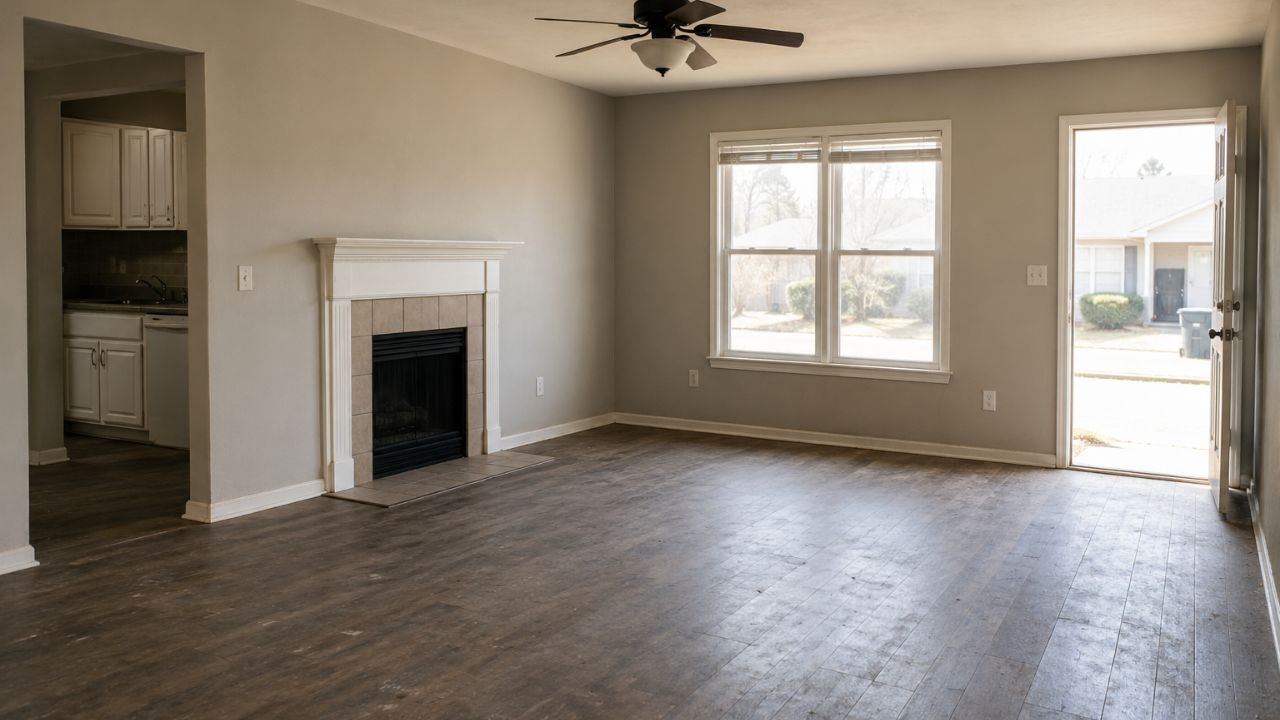
Once the tenant leaves, the property may sit vacant while the owner prepares it for the next resident. Every vacant day is a day without rental income. In a competitive rental market, the property also needs to be clean, safe, functional, and properly marketed before a qualified tenant will sign a lease.
Vacancy costs can include:
- Lost rent while the home is empty
- Cleaning
- Rekeying or lock changes
- Minor repairs
- Paint touch-ups
- Yard cleanup
- Marketing photos and listing work
- Leasing time
Vacancy is also where poor planning can get expensive. If the property is not rent-ready quickly, the landlord loses more income. National housing vacancy data is widely used to evaluate rental market conditions, and rental vacancy rates are a useful reminder that empty units affect both individual owners and the broader housing market.
Property Damage Can Turn a Bad Situation Worse
Not every eviction ends with property damage, but landlords should be prepared for the possibility.
Some tenants leave behind trash, broken appliances, stained flooring, holes in walls, damaged doors, or neglected landscaping. A security deposit may help, but it often does not cover the full cost of a rough turnover.
Even a light turnover can cost hundreds of dollars. A heavier one can cost thousands.
This is where documentation matters. Move-in photos, inspection notes, lease terms, and maintenance records can make a major difference when determining what happened and what can be charged back. Landlords should also understand what to do with abandoned items, because handling evicted tenants’ possessions incorrectly can create more problems.
Why Prevention Is Usually Cheaper Than Eviction
The best eviction strategy is to reduce the chances of one happening in the first place.

That starts before the lease is ever signed. Strong tenant screening helps landlords evaluate income, rental history, credit behavior, employment, and prior landlord references. It does not eliminate risk completely, but it reduces the odds of placing an unqualified tenant.
Good prevention also includes:
- Clear lease terms
- Consistent rent collection
- Fast follow-up when rent is late
- Proper documentation
- Regular communication
- Fair and consistent enforcement
- Routine property checks when appropriate
Tenant screening must also be handled carefully and fairly. Housing providers need to understand basic rental housing rules and avoid practices that create discrimination risk. Clear, consistent criteria help landlords make better decisions while respecting fair housing responsibilities.
For Phoenix landlords, SGI has also explained practical steps for how to screen tenants in Phoenix before handing over the keys.
What Can One Eviction Really Cost?
Every situation is different, but the total cost of one eviction can easily reach several thousand dollars.
A realistic cost picture may include:
- One to two months of unpaid rent
- Court and service fees
- Attorney fees, if needed
- Lost time
- Vacancy loss
- Cleaning and repairs
- Re-leasing and marketing costs
- Potential damage beyond the deposit
Even if the eviction goes relatively smoothly, a landlord could still be looking at $3,000 or more once everything is added up. If the tenant damages the property or the home sits vacant longer than expected, the total can be much higher.
That is why eviction should not be viewed as a simple operating expense. It is a major risk event that affects cash flow, property condition, and the owner’s peace of mind.
Note: Eviction laws and timelines can vary based on the situation, county, and court process. This information is for general educational purposes only and should not be taken as legal advice. Arizona landlords should consult a qualified attorney or the appropriate court resources before taking legal action.
Final Thoughts
Arizona evictions are sometimes necessary, but they are never something landlords should take lightly. The smartest approach is to prevent problems through careful tenant placement, clear expectations, consistent rent collection, and proper lease enforcement.
SGI Property Management helps Phoenix rental owners manage these risks with a practical, professional approach. When eviction can be avoided, prevention protects the property. When eviction becomes necessary, handling it quickly and legally helps limit the damage.