


Owning your first rental property is exciting. It is also where many investors make costly mistakes.
A performing rental is not passive by default. It requires structured maintenance planning, disciplined financial management, and strict legal compliance. When these three pillars are handled correctly, rental property becomes a stable, long-term wealth vehicle instead of a liability.
A Rent-Ready Property Protects Cash Flow from Day One
A rental must be fully prepared before it ever hits the market. Poor property condition leads to longer vacancy, weaker applicants, and early maintenance calls.
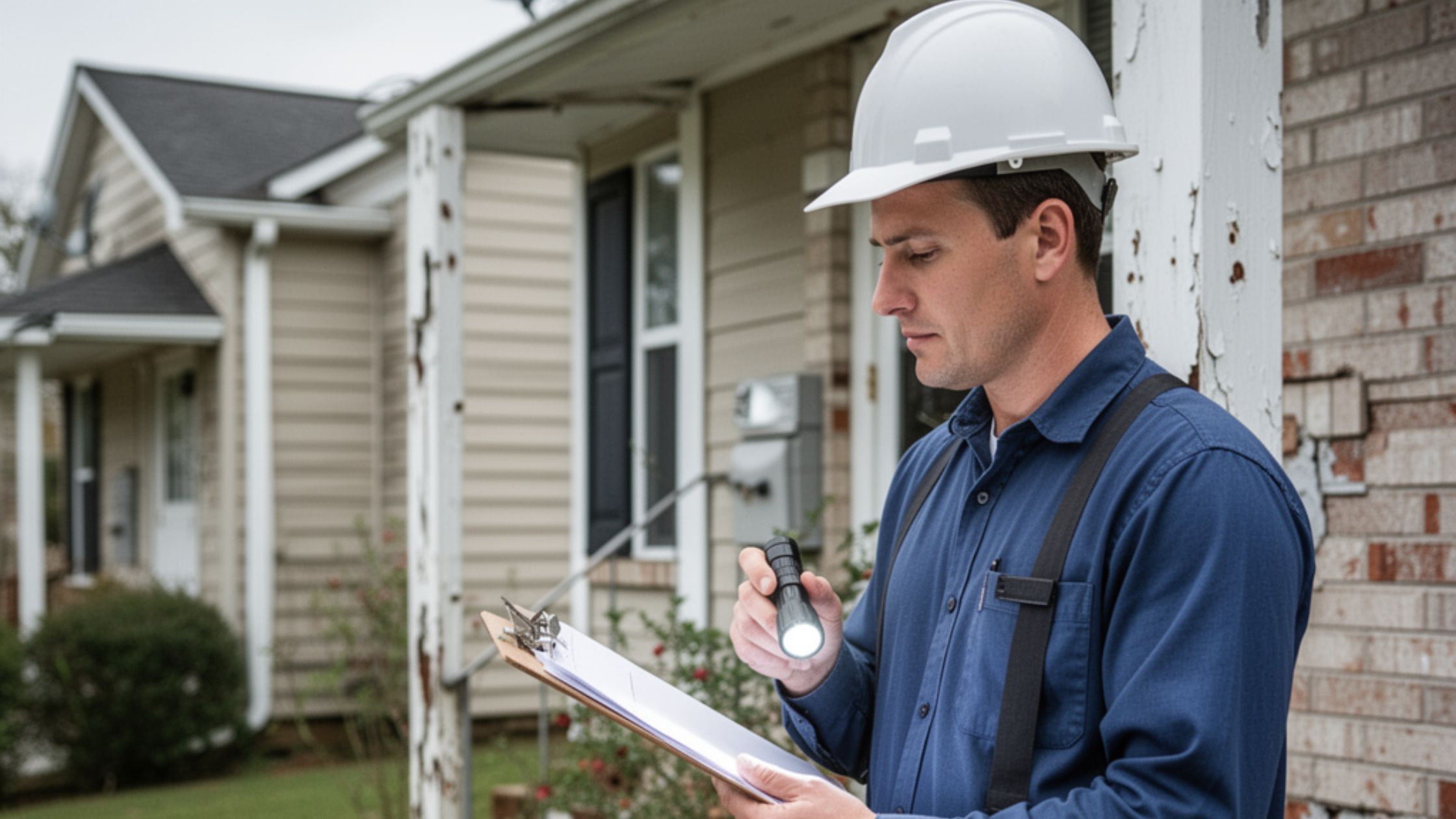
Conduct a Thorough Pre-Lease Inspection
A rent-ready inspection should evaluate:
Landscaping and exterior appearance
Interior and exterior paint condition
Flooring integrity and safety
Cleanliness and habitability
HVAC system performance
Water heater condition
A detailed inspection prevents deferred maintenance from turning into emergency expenses.
Heating and cooling systems are among the largest repair costs landlords face. According to energy efficiency guidelines, HVAC systems require annual servicing to maintain efficiency and reduce breakdown risk.
Preventive Maintenance Reduces Long-Term Expenses
Preventive maintenance is less expensive than reactive repairs.
Annual HVAC servicing, routine water heater checks, and providing tenants with replacement air filters can reduce system strain and extend equipment life. Leaving extra filters at move-in sets expectations for proper upkeep and reduces service calls.
Landlords who neglect maintenance often experience higher turnover. Tenants leave properties that feel neglected.
Build a Reliable Vendor Network Before You Need It
Quality vendors are an asset.
Establish relationships with licensed HVAC technicians, plumbers, electricians, and general contractors before emergencies occur. Delays in sourcing contractors during peak seasons can increase repair costs and vacancy time.
Vetting vendors in advance protects response time and property performance.
Competitive Rental Pricing Minimizes Vacancy Loss
Correct pricing is one of the most important financial decisions a landlord makes. Overpricing increases vacancy. Underpricing reduces return on investment.

Every Month Vacant Is Lost Revenue
Vacancy directly impacts net operating income.
If a property rents for $2,000 per month, one month vacant equals a $2,000 loss before expenses. Two months vacant can erase much of the annual profit margin.
Pricing should be based on current local market data, comparable listings, and demand trends. Reviewing housing market data standards can help landlords understand broader rental trends affecting demand.
Analyze Market Conditions Before Setting Rent
Rental pricing should consider:
Comparable active listings
Days on market
Neighbourhood demand
Property condition relative to competition
Understanding core financial terminology improves decision-making. Many first-time landlords benefit from reviewing real estate investment terms to properly evaluate performance metrics.
Separate Banking Simplifies Financial Tracking
Each rental property should have its own dedicated bank account.
This practice allows for:
Clean income and expense tracking
Easier tax reporting
Clear cash flow visibility
Simplified audit protection
Landlords who mix personal and rental finances often struggle to assess true profitability.
Reserve Funds Protect Against Capital Shock

Older properties typically require more repairs.
A strong rule of thumb is to maintain a repair reserve equal to several months of rent. Without reserves, a single HVAC or water heater replacement can create financial strain.
Investors who fail to budget for repairs frequently become reactive instead of strategic. This pattern is often seen among owners who overlook common investor mistakes.
Legal Compliance Is Non-Negotiable for Landlords
Understanding landlord-tenant law is mandatory. Ignorance is not a defense in court.

Federal Fair Housing Laws Apply to All Landlords
Federal fair housing regulations prohibit discrimination based on protected classes.
The legal standards are clearly outlined under fair housing regulations. Violations can result in lawsuits, fines, and reputational damage.
Landlords must ensure marketing, screening, and lease enforcement practices are consistent and non-discriminatory.
State and Local Laws Control Daily Operations
Landlord-tenant law varies by state and municipality.
Lease disclosures, security deposit handling, notice requirements, and eviction procedures differ across jurisdictions. Reviewing applicable statutes and case law is essential before leasing a property.
Understanding how to properly handle rent adjustments is also critical. Many owners mismanage increases and create tenant friction. Clear communication practices outlined in how to explain a rent increase can reduce conflict while preserving compliance.
Ownership Structure Can Reduce Liability Exposure
Holding property in an LLC or trust may provide liability protection.
Ownership structure decisions should be made in consultation with legal and tax professionals. Structuring properly can shield personal assets from property-related claims.
Insurance coverage should also be reviewed. Adequate liability limits protect against catastrophic events.
Maintenance, Financial Discipline, and Legal Protection Work Together
Rental property performance is driven by interconnected systems.
When one pillar weakens, the entire investment feels it:
Poor maintenance increases vacancy
Vacancy reduces cash flow
Reduced cash flow limits reserve funding
Limited reserves increase financial risk
Legal missteps amplify liability exposure
Strong operators treat rental property like a business. They control condition, pricing, compliance, and cash flow simultaneously.
When these fundamentals are executed consistently, rental property becomes predictable and scalable.
Key Takeaways
A rent-ready inspection prevents costly early maintenance issues.
Annual HVAC servicing reduces emergency repairs and extends equipment life.
Competitive pricing minimizes vacancy loss.
Separate bank accounts improve financial clarity and tax organization.
Repair reserves protect against capital shock.
Federal and state compliance is mandatory, not optional.
Proper ownership structure and insurance reduce liability exposure.
Final Thoughts
Becoming a landlord is a strategic decision that requires preparation, discipline, and operational awareness.
The difference between a stressful rental and a stable investment comes down to execution. Inspect thoroughly. Price strategically. Maintain reserves. Understand your legal obligations. Treat the property like a business from day one.
At SGI Property Management, experienced managers work with first-time and seasoned investors to ensure properties are rent-ready, competitively priced, and fully compliant. Professional guidance reduces costly mistakes and positions rental assets for long-term performance.
When maintenance systems, financial discipline, and legal protection work together, rental property becomes predictable, scalable, and aligned with long-term wealth goals.