


_2.png)
Key Takeaways
Climate risk is a real investment risk. Extreme heat, drought, flooding, and wildfires are already impacting Arizona rental properties and operating costs.
Insurance and repair costs are rising. Properties in high-risk areas may face higher premiums, limited coverage, and expensive climate-related repairs.
Data and preparation reduce losses. Using climate risk maps, conducting seasonal inspections, and maintaining strong insurance coverage helps minimize financial exposure.
Resilience increases long-term value. Investing in upgrades like improved insulation, water management systems, and energy-efficient features protects your property and enhances desirability.
Climate change is no longer a distant threat; it’s a present-day reality. Here in Arizona, we’re seeing the impact of extreme weather shifts, unexpected natural events, and environmental challenges affecting everyday life.
Unfortunately, real estate is not immune. Because rental properties are tangible assets, they’re directly exposed to extreme temperatures, severe weather conditions, and other climate-related risks that can lead to costly damage and long-term financial strain.
TAKE ADVANTAGE OF OUR FREE RENTAL ANALYSIS
As a real estate investor, preparation is no longer optional; it’s essential. Understanding how climate risks can impact your Phoenix investment property is the first step toward protecting your income, preserving property value, and minimizing unexpected expenses.

At SGI Property Management Phoenix, our team works closely with landlords to identify potential environmental risks and implement proactive strategies that safeguard investments for the long term.
Understanding Climate Risks
When we talk about climate risks, we mean all the negative impacts of climate change, such as changing temperatures and weather patterns. But how exactly does this affect real estate? Here are some examples:
Freezing cold temperatures can lead to major problems, such as frozen pipes and roof damage caused by snow.
Extremely hot and dry weather can lead to major threats such as wildfires.
Natural disasters such as hurricanes and floods can lead to major water damage and structural damage.
Unexpected weather changes (such as snow in areas that don’t typically get it) can result in major property damage to unprepared properties.
Dealing with these damages is bound to affect your bottom line in the short term. But the biggest problem is that climate change is not slowing down.
In the long run, this can lead to weather events such as hurricanes, floods, and wildfires increasing in frequency and severity, putting more properties at risk. Ultimately, this is bound to affect the value, desirability, and profitability of most real estate investments.
Major Climate Risks and Their Impact on Real Estate
To prepare for climate risks, you need to understand how climate change affects real estate. Here are some major risks every property owner should be aware of:
1. Floodings and Sea-Level Rise
Major rainfalls and rising sea levels put properties at risk for flooding. This can result in major property damage, such as structural issues, mold presence, and water damage, all of which can be incredibly costly to repair.

In addition to the financial losses, these climate risks can make properties vulnerable to flooding, lose their value and desirability. After all, no tenant or buyer wants to deal with regular floods.
As if this weren’t enough, investors may also face skyrocketing insurance premiums or difficulty obtaining coverage for these types of properties.
2. Wildfires
In addition to flooding, fires are one of the most costly climate risks for real estate investors. Climate change is leading to warmer springs, longer and drier summers, and drier soils and vegetation.
Unfortunately, this creates the perfect environment for wildfires. As you know, fires are a major threat to real estate, as they can consume entire properties in a matter of minutes. Beyond the fire damage, properties in wildfire-prone areas also experience declining demand and higher insurance costs.
CONTACT US TODAY FOR MORE INFORMATION
3. Droughts
Climate change increases the odds of worsening drought in many parts of the United States. It also alters the timing of water availability, making it harder to know how long droughts will last.
In arid and hot regions, like Arizona, droughts and water scarcity are a major risk for real estate investors.
This can lead to increased utility bills, more strict water usage restrictions, and declining desirability from tenants and buyers. After all, Water scarcity can impact long-term desirability and operating costs.
4. Extreme Heat
Extreme temperatures can significantly impact an area’s desirability. Extreme heat or frequent heatwaves can increase cooling costs and energy demand, driving utility bills up and scaring tenants away.
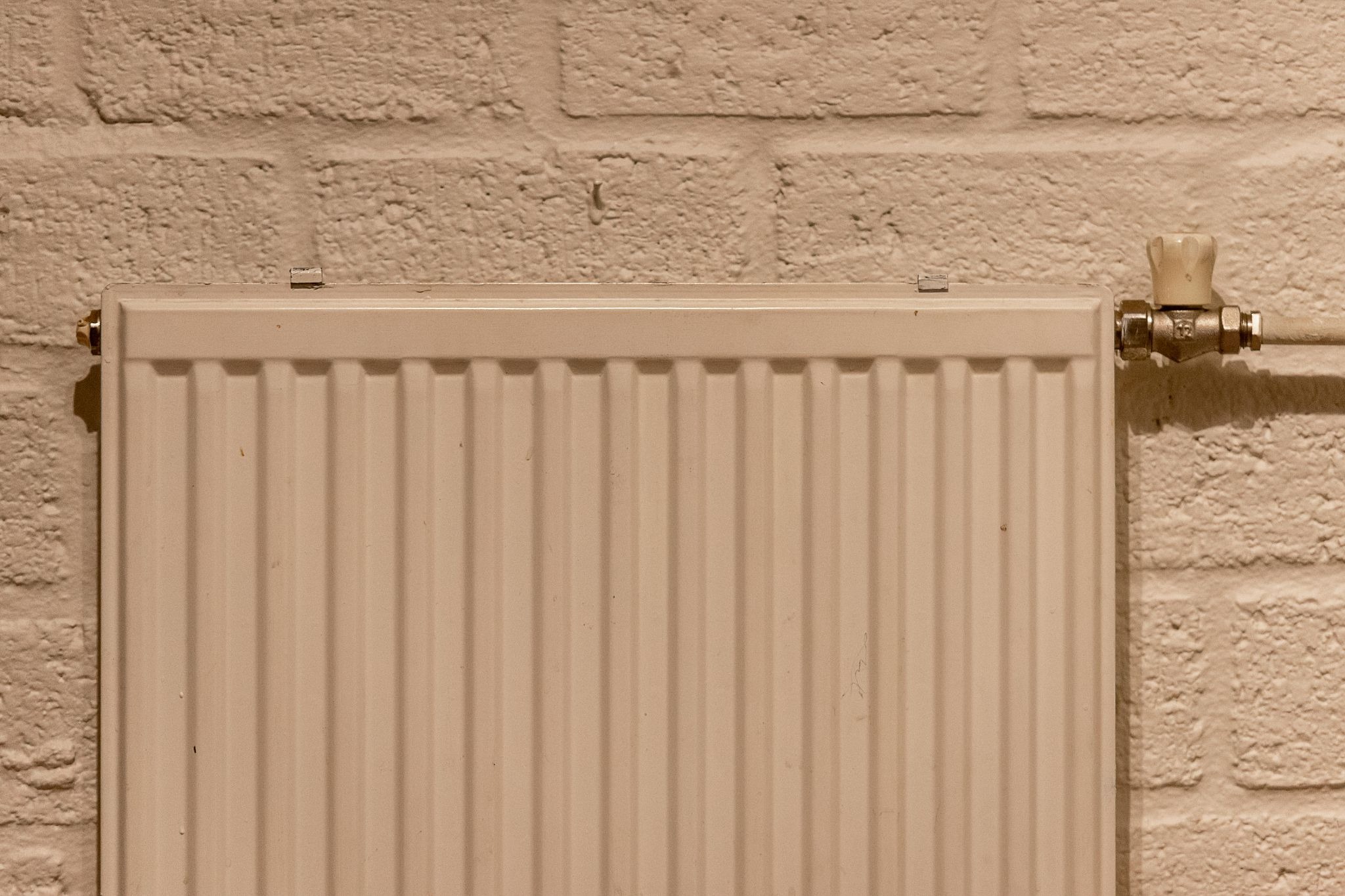
Older buildings, in particular, may require costly upgrades to remain comfortable and competitive, impacting investors’ bottom line.
5. Soil Erosion
Heavy rainfall and extreme heat can lead to soil erosion, sinkholes, and landslides. Believe it or not, this can affect residential properties.
The biggest problem is that most erosion and foundation issues are overlooked until they escalate, leading to major property damage and exceedingly high repair costs.
How to Assess and Prepare for Climate Risk in Real Estate
As you can see, climate change can have major impacts on real estate. But don’t worry! There are things you can do today to prevent major losses in the upcoming years. Here are some tips:
1. Leverage Key Data on Climate Risks
Most government entities offer detailed maps and data on the different climate risks that affect an area. This includes flood, drought, and wildfire maps.
Whether you’re thinking of purchasing a property or already own one, these resources will give you a clear idea of how safe an area is. You can then use this information to make a smart investment or future-proof existing investments.
2. Disaster Preparedness
If you own a property in an area vulnerable to climate risks, then you need to be prepared for potential disasters.
Actions such as ensuring your property has good insurance coverage, inspecting the unit before and after key seasons (like winter or summer), and having clear contingency plans in case of natural disasters, can go a long way in protecting your investment.
3. Investing in Resilience and Sustainability
Most properties, especially older ones, aren’t prepared to withstand modern climate risks. However, this doesn’t mean that they can’t be upgraded to be more resilient. The approach will greatly depend on your location.
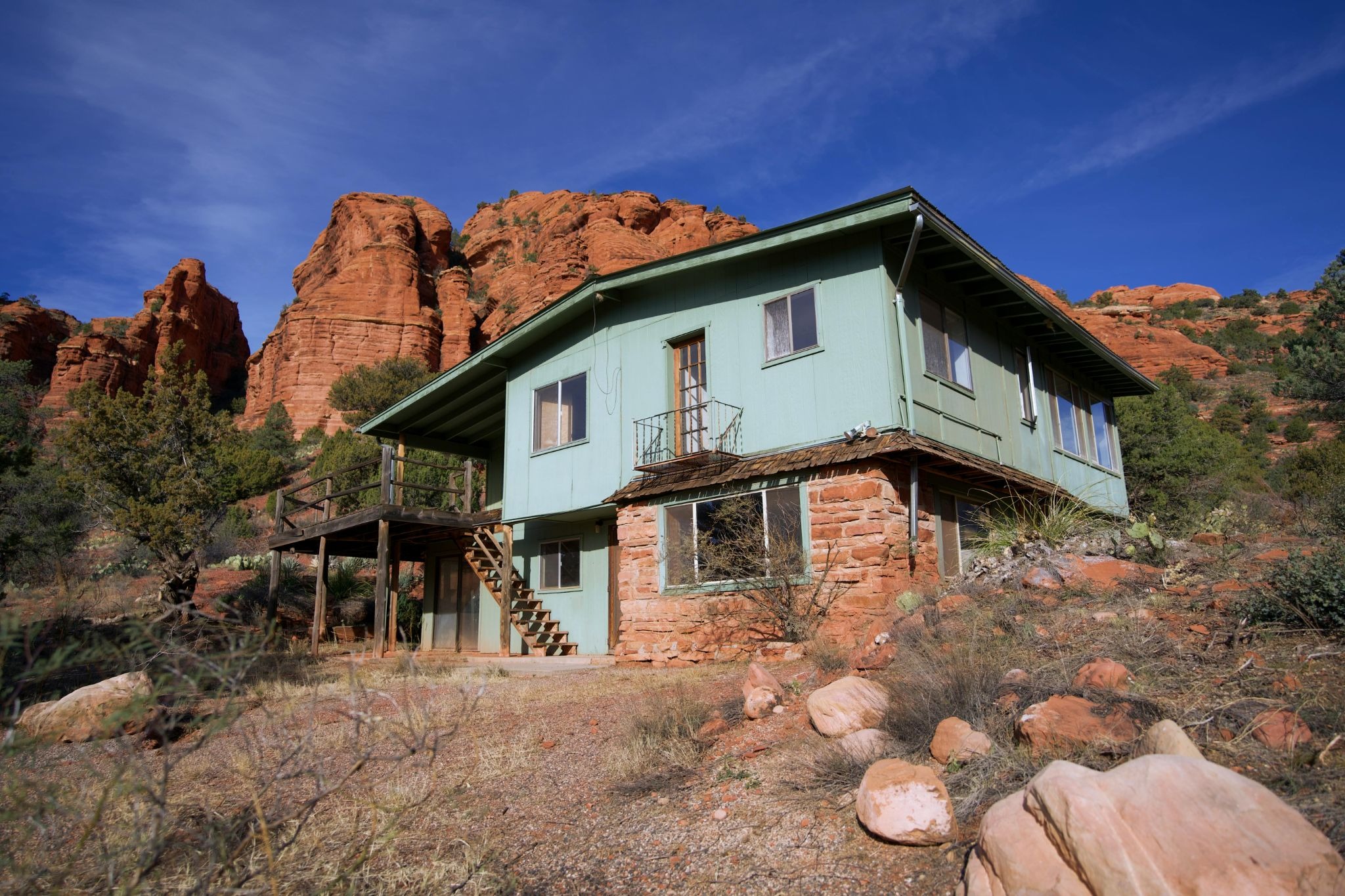
It can be investing in better insulation to protect the property during the colder months, planting more trees and vegetation around the property to prevent soil erosion, or installing storm management systems to prevent flooding.
Another thing you can do is invest in more sustainable features. Energy-efficient lights and appliances, solar panels, and eco-friendly materials are not only good for the environment but also make your property more resilient to pressing climate risks. Moreover, they can make your property more desirable to eco-friendly tenants and buyers.
Bottom Line
Climate change is no longer a distant concern; it’s already affecting our everyday lives here in Arizona, including real estate investments.
As weather patterns become more unpredictable and extreme conditions grow more frequent, properties are increasingly exposed to climate-related risks.
In high-risk areas, we’re seeing the effects firsthand: rising insurance premiums, reduced coverage options, shifting buyer and renter demand, declining property values, and costly repairs. Waiting until damage happens is simply too expensive.
At SGI Property Management Phoenix, our team takes a proactive approach to protecting your investment. We help you assess environmental risks early, implement preventative strategies, and position your property for long-term stability and profitability.
LEARN MORE ABOUT OUR PROPERTY MANAGEMENT SERVICES