


_1.png)
Key Takeaways
- Immediate danger comes first: Threats to life, health or serious property damage require urgent action, not routine scheduling.
- Habitability has legal standards: Arizona requires landlords to maintain essential systems and comply with applicable health and safety codes.
- Response is not repair completion: A prompt assessment and protective measures may be necessary before a permanent repair is possible.
- After-hours reporting matters: Residents should use the designated emergency contact, provide details and follow up in writing.
A maintenance emergency is defined by risk, not by the hour a resident calls. In Phoenix, a cooling failure during extreme heat can become a safety issue before a technician can complete repairs.
At SGI Property Management Phoenix, we distinguish immediate hazards from requests that need prompt scheduling. This guide covers Arizona emergency decisions without repeating our existing repair checklist.
Recognize Urgent Repairs Before Damage Spreads
Define the Emergency by Its Consequences
The practical question is what will happen if nobody intervenes until normal business hours. A threat to someone's safety, loss of an essential service or active damage that can rapidly spread warrants immediate assessment.
Arizona requires landlords to keep fit premises and maintain supplied plumbing, electrical and cooling systems. That duty does not make every request an overnight emergency.
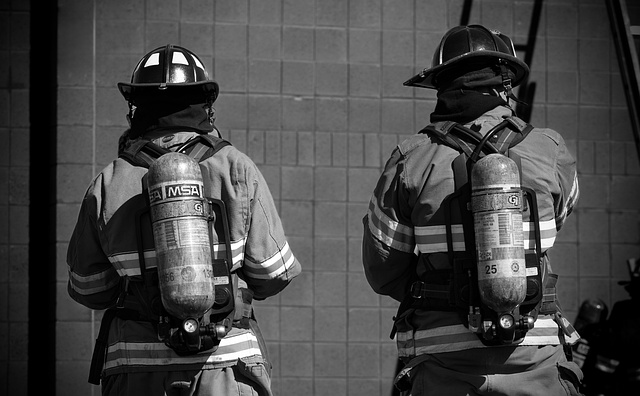
Triage should weigh the severity, whether residents can remain safe, and whether a temporary measure can contain the problem. The diagnosis may change after a technician or resident provides new information.
Reports also need a clear handoff: note who is responsible for the next call, who may enter the home and when conditions must be reassessed.
A useful distinction is between an emergency response, which stabilizes the hazard, and a completed repair, which may depend on replacement parts or specialized labor. Owners should document both stages.
Use a Decision Matrix Instead of a Longer Checklist
The same reported symptom can require different action depending on conditions. For example, weak cooling in mild weather differs from a home that cannot maintain safe temperatures during a Phoenix heat event.
The matrix below provides an operational framework, not a substitute for a professional assessment or statutory duties. For concrete examples of specific faults, see our existing emergency maintenance issues guide.
Decision | What to Assess | Response |
Immediate danger | Fire, suspected gas exposure, active electrical hazard or rapidly spreading damage | Contact emergency services where needed; initiate emergency coordination |
Essential-service failure | Cooling, potable water, sanitation or secure access affected; severity depends on conditions | Assess promptly; arrange protective measures and suitable repair priority |
Contained problem | No immediate danger, functioning essential services and no escalating damage | Document and schedule a timely service visit |
Apply Phoenix Cooling Standards Carefully
Cooling is an especially important habitability issue in the Valley. Phoenix requires installed air-conditioning equipment to be capable of cooling relevant rental rooms to 82 degrees Fahrenheit or below; evaporative systems have an 86-degree threshold.
Those city cooling requirements apply within Phoenix. Owners should confirm the applicable municipal code because standards can differ outside city limits.
A cooling complaint deserves immediate triage when indoor conditions may threaten health. Ask for the indoor temperature, system behavior and whether temporary safe cooling is available, without delaying needed assistance.
A same-night replacement is not guaranteed. Acknowledge the report, evaluate exposure and communicate protective steps. Arizona’s air conditioning issues guidance also explains notice and tenant remedies.
Separate Response Expectations From Legal Notice Periods
An effective after-hours system acknowledges serious reports promptly and escalates hazards to the appropriate responders. It should also record the time received, the action authorized and the next update promised to residents.
Under A.R.S. § 33-1361, certain health-and-safety breaches have a five-day written notice-and-remedy framework; that is not a universal emergency dispatch deadline.
A manager should avoid promising a fixed completion time before the problem is diagnosed. Some calls require immediate protective action even if a permanent repair cannot be completed immediately.
Make Your Emergency Response Plan Clearer
Give Residents a Reliable After-Hours Reporting Path
Residents facing an immediate threat to life should leave the danger area and call 911. For other emergency maintenance, SGI's published instructions direct residents to call 602-714-7933 rather than rely only on a routine online request.
The report should include the property address, callback number, what happened, when it started and whether the hazard is active. Residents should share photos when safe and remain reachable for instructions and access coordination.

Follow the initial call with a written description so there is a record. Nobody should attempt risky electrical, gas or structural repairs; shutting off water is appropriate only when the resident can do so safely.
Prepare Owners and Vendors for Escalation
Approval limits and access instructions reduce avoidable delay. Our rental property maintenance guide covers broader upkeep responsibilities that support this preparation.
For vacant homes, there may be no resident to discover a developing leak or failed cooling system. Our vacant rental risks article explains why inspections and early detection still matter between tenancies.
Phoenix's heat resources also support planning for extended cooling failures during dangerous weather. Owners should identify safe contingency options before a crisis.
Keep invoices, timestamps and resident updates together for insurance and follow-up.
Choose Clear Decisions Over Assumptions
Emergency maintenance requires proportional action to protect habitability. Owners should distinguish urgent stabilization from planned repairs and keep residents informed.
At SGI Property Management Phoenix, we can help owners discuss how emergency coordination and communication fit into their rental management decisions.
Discuss Better Maintenance Oversight for Rentals
Frequently Asked Questions About Emergency Rental Maintenance
Does Arizona Require Every Emergency Repair Within 24 Hours?
Arizona does not impose one universal 24-hour completion rule for all rental repairs. The applicable duty depends on the condition, the landlord's maintenance obligations and any local requirements.
Under A.R.S. § 33-1361, written notice concerning a material health-and-safety breach may establish a five-day remedy period in a lease-termination process. That legal procedure does not replace prompt action when someone is in danger.
Owners should assess the hazard, document the response and seek legal advice on disputed deadlines.
When Does a Broken Air Conditioner Become an Emergency?
A cooling failure may become an emergency when indoor temperatures expose residents to dangerous heat or make the dwelling unsafe. The outdoor temperature, indoor reading and available protective options all affect the assessment.
For rentals within Phoenix city limits, the city applies cooling-capability standards to installed systems. Owners should not assume those exact thresholds govern every neighboring municipality.
Managers should investigate unsafe cooling conditions, provide updates and consider interim measures. The legal notice process should not be mistaken for permission to ignore an urgent hazard.
How Should Tenants Report a Problem After Business Hours?
Residents should follow their lease and property manager's emergency instructions. At SGI-managed rentals, the published maintenance page directs emergency calls to 602-714-7933. Immediate threats to life require 911 first.
Give the rental address, a reachable phone number and a concise description of the problem. Explain whether water is spreading, an essential service has failed or anyone is in danger.
Send a written follow-up when possible and keep any safe photographs. Do not attempt dangerous repairs simply to provide more information.
Should Owners Approve Emergency Spending in Advance?
A written approval arrangement can help the manager authorize immediate protective work without unnecessary delays. It should distinguish routine spending limits from circumstances requiring urgent escalation.
Owners should clarify who may approve a vendor, how access is arranged and when additional estimates or insurance information are needed. An emergency authorization should still be documented with the reason for the decision.
The agreement must not be used to postpone necessary safety measures. Review the authorization language with your manager so expectations match the actual management contract.
What if a Repair Cannot Be Finished That Night?
A same-night permanent repair is not always possible. Specialized equipment, unsafe working conditions or unavailable parts can affect completion, even when the initial report receives prompt attention.
The immediate objective is to evaluate danger, contain damage where possible and determine whether residents can remain safely in the home. The manager should then explain the interim plan and the next expected update.
For habitability problems, owners should seek qualified guidance on any required temporary accommodation or statutory remedies rather than make blanket promises about costs or outcomes.