

Owning a rental property comes with ongoing responsibilities, and preventing damage is one of the most important. Even minor issues can turn into expensive repairs, longer vacancies, and lost rental income if they aren’t addressed early.
At SGI Property Management, we’ve seen that protecting a rental property isn’t about reacting to problems after they happen. It’s about having the right systems in place from the beginning. Whether you own one rental home or a growing investment portfolio in Phoenix, these strategies can help reduce risk, preserve your property’s value, and create a better experience for both landlords and tenants.
Key Takeaways
- Good tenant screening helps reduce the risk of costly property damage before a lease even begins.
- Clear expectations and proper documentation make disputes easier to resolve.
- Regular inspections allow small maintenance issues to be fixed before they become expensive repairs.
- Durable property upgrades can lower maintenance costs over the long term.
- Reducing vacancy and encouraging lease renewals helps minimize wear and tear.
Prevention Starts Before a Tenant Moves In
One of the most effective ways to protect your rental property is by placing qualified tenants from the start.
A consistent screening process helps identify applicants who have a history of paying rent on time, maintaining previous homes, and following lease agreements. Screening should include verifying income, reviewing rental history, checking references, and completing background and credit checks when permitted by law.
Taking the time to find the right tenant is often far less expensive than dealing with major repairs, unpaid rent, or an eviction later.
For owners who live outside Arizona, having a professional management team oversee this process can make protecting your investment much easier. Managing an out-of-state rental property successfully often starts with strong tenant placement.
Set Clear Expectations With a Strong Lease
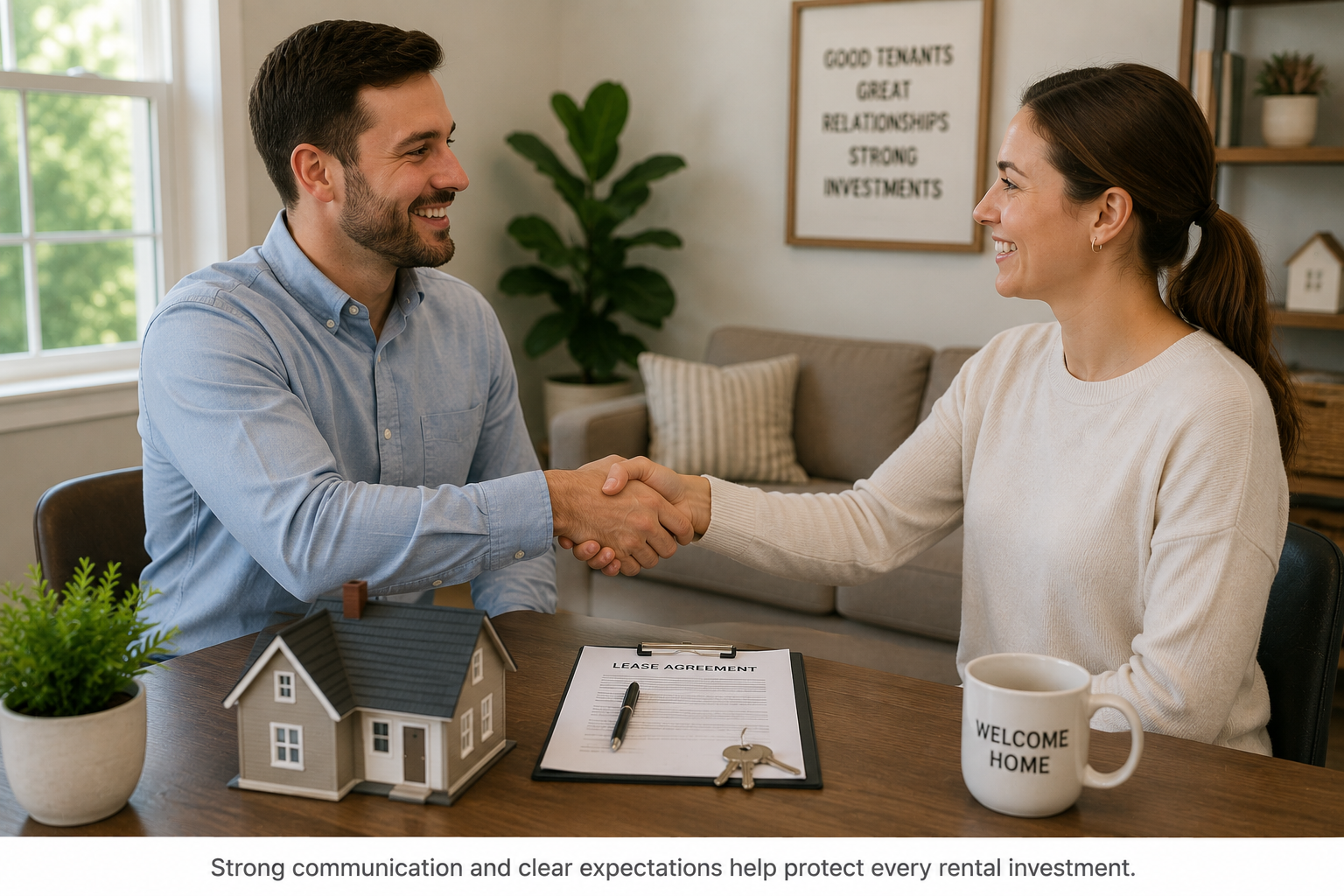
Many property issues happen because expectations were never clearly communicated.
A well-written lease should explain:
- Tenant maintenance responsibilities
- Owner responsibilities
- Pet policies
- Smoking rules
- Guest policies
- Alteration restrictions
- Maintenance reporting procedures
- Consequences for lease violations
When both parties understand their responsibilities from day one, misunderstandings become much less common.
It’s also helpful to clearly explain the difference between normal wear and tear and actual property damage. Having consistent expectations protects everyone involved.
Document the Property Before Move-In
Good documentation is one of the strongest protections a landlord has.
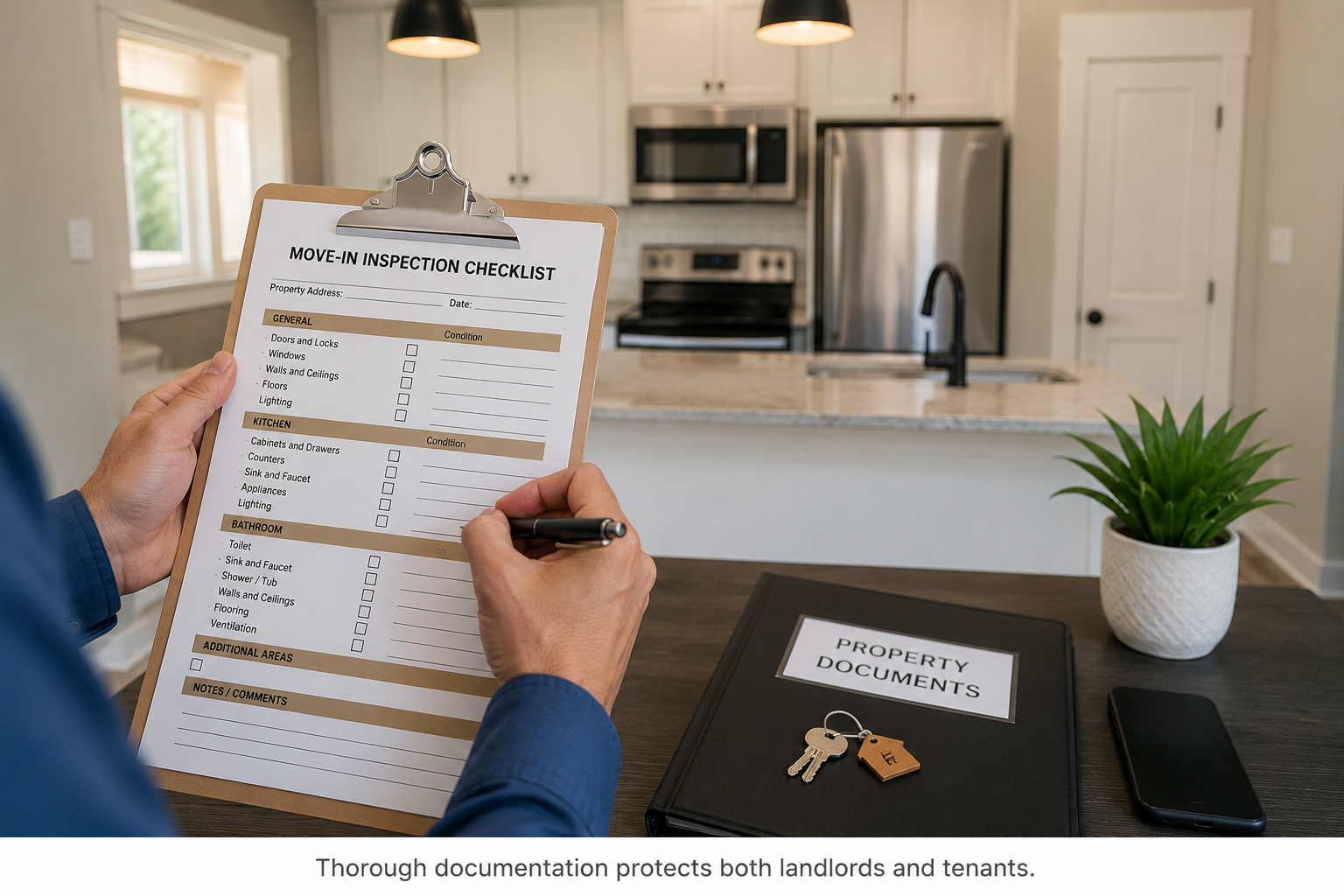
Before handing over the keys:
- Complete a room-by-room inspection checklist.
- Take clear photos and videos of every room.
- Test appliances, plumbing, HVAC systems, lighting, and smoke detectors.
- Have the tenant acknowledge the property’s condition.
Detailed records make move-out inspections much easier and provide valuable documentation if questions arise about security deposits later.
Understanding how security deposits work can also help landlords stay compliant while protecting their investment.
Routine Inspections Save Money
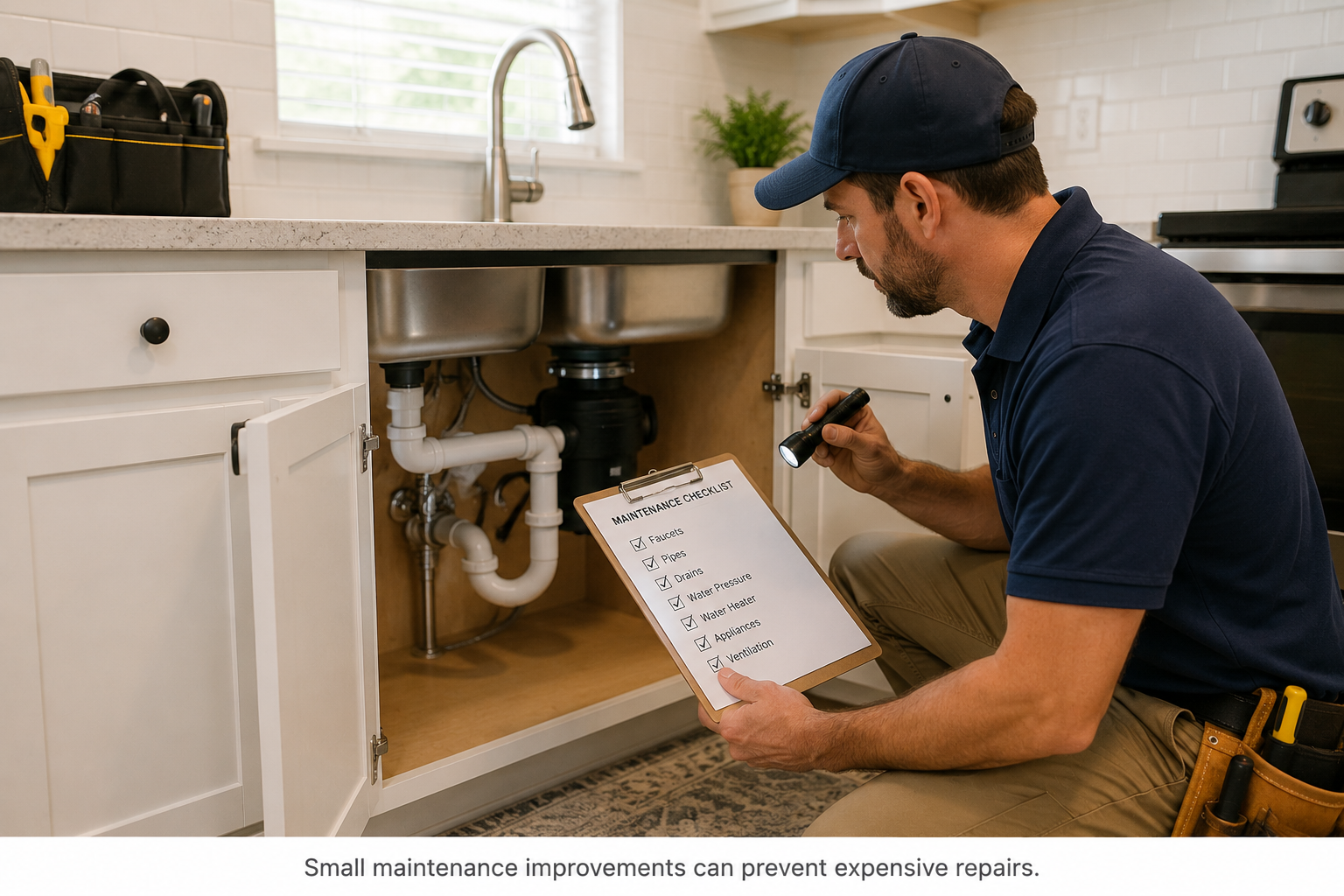
Property inspections shouldn’t be viewed as looking for problems. They’re an opportunity to catch small issues before they become expensive ones.
During routine inspections, pay close attention to:
- Plumbing leaks
- Flooring damage
- Water stains
- Bathroom ventilation
- HVAC filters
- Exterior drainage
- Signs of unauthorized pets or occupants
A small plumbing leak today can become water damage, mold, or flooring replacement tomorrow.
Regular inspections also help identify maintenance concerns tenants may not have reported yet.
If water damage is one of your biggest concerns, these tips for preventing rental property water damage can help reduce expensive repairs.
Invest in Durability Instead of Cosmetic Upgrades
Not every property improvement needs to be luxurious.
 Many of the smartest upgrades are designed to reduce maintenance over time.
Examples include:
- Durable flooring in high-traffic areas
- Washable paint finishes
- Quality plumbing fixtures
- Strong cabinet hardware
- Better bathroom ventilation
- Water leak sensors near sinks, toilets, and water heaters
Preventative improvements often cost less than repeated repairs over the life of the property.
Many investors also evaluate long-term maintenance costs when assessing the overall return on investment for rental properties.
Reduce Vacancy Whenever Possible
Vacant properties create their own risks.
A home sitting empty can develop unnoticed maintenance problems, attract vandalism, or simply generate no rental income while expenses continue.
To minimize vacancy:
- Begin marketing before the current lease expires.
- Use professional photography.
- Respond quickly to prospective tenants.
- Keep the property clean and ready for showings.
- Adjust pricing if demand slows.
Shorter vacancy periods help protect both your cash flow and the condition of your property.
Encourage Long-Term Tenants
Every turnover creates additional wear on a rental property.
Long-term tenants generally provide greater stability, fewer vacancy costs, and less frequent move-in and move-out damage.
Simple ways to encourage lease renewals include:
- Responding promptly to maintenance requests
- Communicating professionally
- Keeping the property well maintained
- Making the renewal process simple
- Completing reasonable improvements when appropriate
A satisfied tenant is often more likely to care for the property as if it were their own.
If you’re considering updates inside the home, it’s also worth reviewing whether tenants should be allowed to paint a rental property before approving cosmetic changes.
Use Security Deposits Properly
A security deposit provides financial protection when damage goes beyond normal wear and tear.
To avoid disputes:
- Clearly explain deposit terms before move-in.
- Document property condition at both move-in and move-out.
- Keep detailed records of repairs and invoices.
- Follow Arizona’s legal requirements for deposit handling and return.
Good documentation makes deposit decisions easier to support if questions arise later.
Keeping organized maintenance records is also an important part of responsible rental property recordkeeping.
Final Thoughts
Preventing rental property damage isn’t about one single solution. It’s the result of good tenant screening, clear lease agreements, consistent inspections, quality maintenance, and careful documentation throughout the tenancy.
At SGI Property Management, helping Phoenix rental property owners protect their investments starts with building reliable systems that reduce risk and keep properties performing at their best.