


_1.png)
Key Takeaways
- Start with habitability: Fix unsafe essentials first.
- Compare achievable rent: Check nearby comparable rentals.
- Favor practical upgrades: Consider paint, flooring and appliances before luxury finishes.
- Count vacancy costs: Renovation delays can erase rent gains.
Your Phoenix rental needs work. Should you renovate first or list it as-is?
At SGI Property Management Phoenix, we help owners weigh repair costs, comparable rents and time off the market before spending on upgrades.
Find Your Best Rental Preparation Strategy
The Core Question: Will It Pay Back?
Judge optional renovation costs against added net income and payback time. At $3,000 and $100 more monthly rent, simple payback is 30 months before added expenses.
Compare with nearby rentals, not idealized listings. Clean rooms may impress more than a costly kitchen alongside worn finishes. An honest rental income estimate helps.
Prefer improvements that address visible defects or recurring costs, even when rent remains unchanged.
What Must Be Fixed, No Matter What
Renting as-is does not mean leaving safety or habitability defects unresolved. Arizona landlord maintenance requirements cover fit premises and safe working order for supplied plumbing, electrical and cooling equipment, among other obligations.
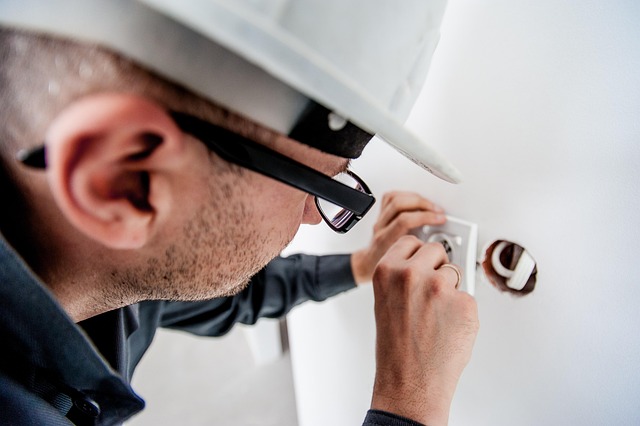
Address active leaks, unsafe wiring, defective locks and required alarms.
Confirm local code and permit requirements rather than treating essential repairs as optional renovations.
The Case for Renting As-Is
If the home is safe, functional and clean, retaining dated but serviceable finishes can be the better financial choice for some owners.
- Lower upfront cost keeps cash available for reserves.
- Faster listing avoids unnecessary construction delays.
- Less project risk limits exposure to overruns and backorders.
- More flexibility allows a larger update at a future turnover.
The Case for Renovating First
Renovation makes sense when the improvement addresses a clear competitive disadvantage or meaningful recurring maintenance expense.
- Stronger presentation may improve listing photos and showings.
- Rent potential can rise when comparable homes support the difference.
- Durable surfaces can make future upkeep more manageable.
- Deferred repairs may become more expensive when postponed.
Renting As-Is vs. Renovating First
Option | Best For | Considerations |
Renting as-is | A compliant home with usable finishes | Lower initial spending; rent must reflect condition. |
Renovating first | Visible defects or upgrades with credible payback | Possible rent lift; upfront costs and delay. |
Phased improvements | Owners balancing cash flow and condition | Complete essentials now; defer discretionary work. |
Upgrades That Usually Pay Off
Practical cosmetic changes often provide a better starting point than a full remodel. Consider these upgrades based on property condition and nearby competition:
- Interior paint to refresh marked or uneven walls.
- Durable flooring where carpets are stained or worn.
- Reliable appliances when existing units fail or are nearing replacement.
- Lighting and hardware that improve function and appearance.
In Phoenix, tidy desert-appropriate landscaping and working window coverings can also make the property more practical to show and maintain.
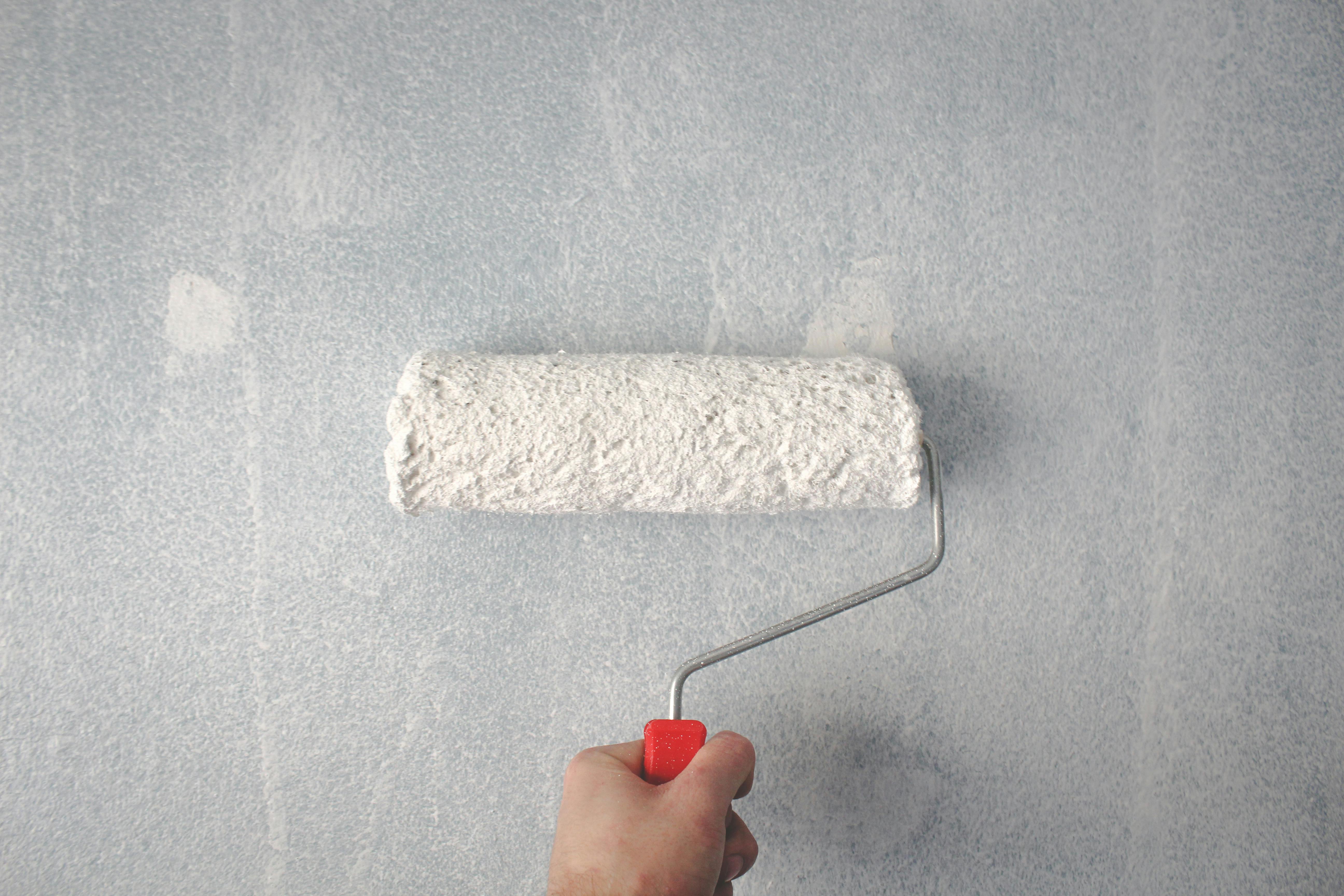
For a tired kitchen, consider alternatives to replacing sound cabinetry. Keep colors and materials easy to maintain, and compare contractor quotes before committing. One practical option is painting cabinets rather than replacing them.
Compare Your Upgrade Costs Before Listing
Upgrades That Rarely Pay Off
The most expensive option is rarely automatically the most profitable. Be cautious about improvements that exceed what comparable rentals offer.
- Luxury countertops without a demonstrated rent premium.
- Major layout changes involving extensive construction.
- High-end appliances where dependable models meet expectations.
- Elaborate landscaping with substantial ongoing upkeep.
Know Your Rental Market
Study property features, not assumptions about who will live there. Compare similar Phoenix rentals by size, location, condition, parking, cooling performance and asking rent. Apply consistent, lawful criteria to every applicant.
A good rental property marketing plan should explain the home accurately rather than disguise its condition with photography.
Calculate the Return
The renovation budget should include labor, materials, potential permit costs and an allowance for surprises before you assume the update is profitable. Compare that full cost with the likely improvement in cash flow, including the time needed to finish the work.
Divide total upgrade cost by the expected monthly increase in net income. For example, $4,000 of flooring that produces $120 more per month has a simple payback of about 33 months, assuming no other changes.
Add lost rent during construction and subtract additional maintenance or financing costs when they apply. Treat the rent increase as an estimate, not a guaranteed outcome.
The Hidden Cost of Delay
Every extra vacant week can reduce the benefit of a renovation.

Request written scopes, realistic completion dates and material availability before scheduling work. Build in time for inspections or unexpected repairs.
Keep the vacant home secured and checked while contractors work. Our guide to vacant rental risks covers additional precautions.
A Phased Approach
Complete essential repairs and modest cosmetic work before listing. Larger discretionary changes can wait until a future vacancy, when their cost and disruption are easier to assess.
Pay particular attention to cooling. Federal air conditioner maintenance guidance explains how routine servicing supports efficient operation. Repair or service a supplied system when necessary, regardless of whether you renovate the interior.
Budget Realistically
Get written estimates, verify required licenses and allow for surprises. Set a spending ceiling before approving extras.
Decision Checklist
- Fix habitability issues.
- Compare rental scenarios.
- Estimate costs and payback.
- Count vacancy delays.
- Choose durable improvements.
Conclusion
Renovate when likely benefits justify total costs and delays. Otherwise, a compliant, well-presented home may compete as-is.
At SGI Property Management Phoenix, we can assess rental positioning and upgrades before listing.
Make an Informed Rental Renovation Decision
Frequently Asked Questions About Renovating Before Renting
Should I Replace Flooring Before Renting?
Replace flooring when damage, staining or wear undermines presentation, function or safety. Otherwise, professional cleaning may be enough for a well-maintained rental.
Compare replacement costs with nearby rentals of similar size and condition. Choose surfaces suited to the room, cleaning needs and expected wear, rather than appearance alone.
Request installed prices including removal and possible subfloor repairs. If replacing one area leaves mismatched flooring, evaluate whether a consistent finish is worth the additional expense before authorizing work.
Can I Rent a Phoenix Home With an Older Kitchen?
Yes. A dated kitchen may still be rentable when it is safe, clean and functional. Check the plumbing, ventilation, cabinets and appliances before listing.
A worn finish differs from a defect that prevents ordinary use. Compare similar Phoenix rentals before approving new cabinets, countertops or a complete kitchen redesign.
Painting sound cabinets, replacing damaged hardware and improving lighting may refresh the space for less. Price the home according to its condition; do not assume a remodel increases rent by its full cost.
How Do I Estimate a Renovation Payback Period?
Obtain a complete project quote and estimate achievable rent before and after the improvements. Include labor, materials, permits, contingency and likely lost rental income during construction.
Estimate the increase in monthly net income, not merely the advertised rental price. Divide total project spending by that monthly improvement to calculate a simple payback period.
If the monthly gain is negligible, the project may not make financial sense on rent alone. Assess maintenance savings separately, and test a more conservative rent estimate before committing.
Do I Need to Renovate Before Advertising the Rental?
Not always. You can plan pricing and accurate listing materials while approved work is underway. Never show unfinished features as though they already exist.
Confirm the property can be delivered in the advertised condition by the agreed occupancy date. An optimistic timeline can create avoidable delays or disappointed applicants.
Complete necessary safety and habitability work before occupancy and check applicable showing and permit requirements. For major construction, waiting until completion may make the marketing schedule more reliable.
Is a Partial Renovation Better Than a Full Remodel?
Often, targeted work is easier to justify because it fixes specific weaknesses without replacing features that still function. Evaluate paint, flooring, lighting and appliances separately.
Start with required repairs. Rank discretionary projects by probable rent impact, durability, cost and disruption. A complete remodel needs stronger evidence of a worthwhile payback.
A severely damaged or outdated property may justify broader work, but compare alternatives first. Review contractor quotes and similar rentals before setting a final budget or schedule.